Matsato Chef Knife Review 2026: Is This Japanese-Style Blade Actually Worth Buying?
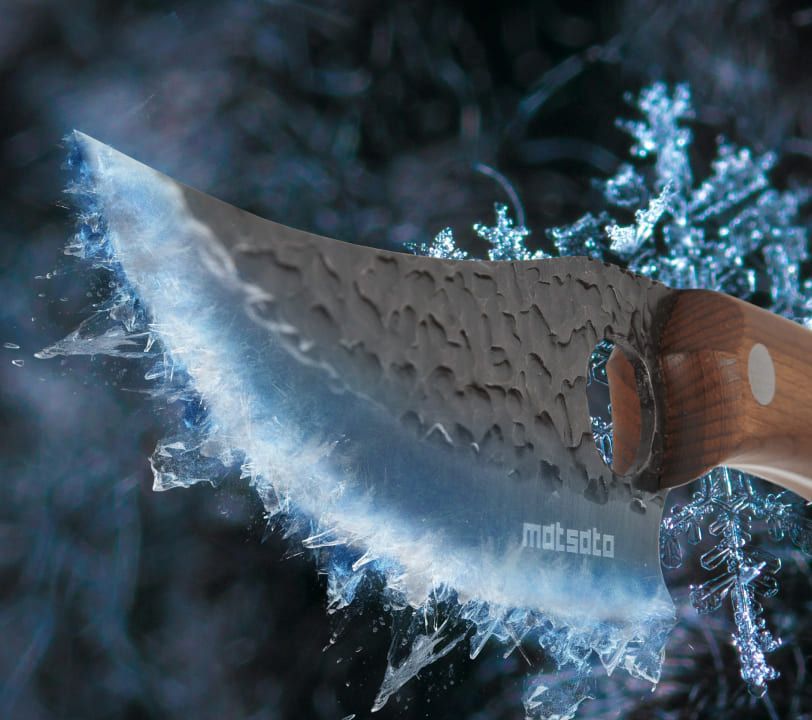
| Blade | Stainless steel, 7" |
| Handle | Premium beech wood |
| Weight | ≈ 240 g |
| Style | Santoku-inspired |
| Price | $99 (was $332) |
| Bonus | Free recipe book |
- Razor sharp out of the box, sliced a tomato by gravity alone
- Finger hole gives surprisingly real control on long prep sessions
- Beech wood handle is smooth, no hot spots after 30+ minutes of use
- Holds the edge well, only needed honing once in 30 days
- Looks beautiful, gets compliments from anyone in my kitchen
- Hand wash only, no dishwasher shortcut
- The "70% off" framing feels like classic marketing, not a real $332 retail
- Shipping took 9 business days, slower than Amazon Prime
Why I Bought the Matsato in the First Place
I've been cooking pretty seriously for the last six years, mostly home stuff, the occasional dinner party, and a lot of meal prep on Sundays. My old chef knife was a Wüsthof I inherited, which still works, but the tip chipped two years ago and I never got around to fixing it. When I kept seeing the Matsato pop up in my Instagram feed with that distinctive finger hole, I rolled my eyes at first. It looked like another dropshipping product riding the Japanese-knife trend.
What changed my mind was a friend, a chef who actually uses one in a small bistro kitchen. He told me it isn't a Yoshihiro, but for under a hundred bucks it cuts cleaner than half the brand-name knives in his drawer. So I ordered one. Here's what happened.
Unboxing and First Impressions
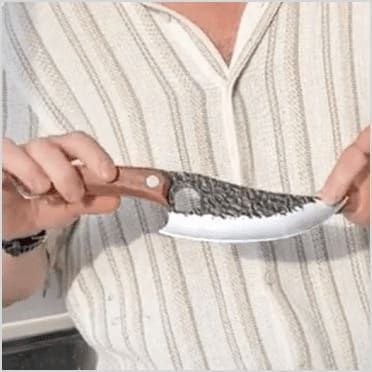
The package arrived in a slim black cardboard box with a magnetic flap. Inside, the knife sat in a foam cutout next to a small care card and a download code for the recipe book. No fluff, no extra plastic. I appreciated that.
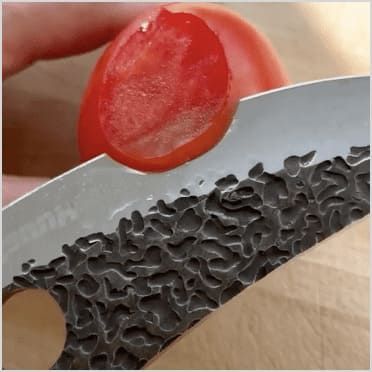
First thing I did was the paper test. Held a sheet of A4 in the air, sliced down. The knife went through it like it wasn't there. Then I tried a ripe Roma tomato on my cutting board. Zero pressure, the blade fell through the skin under its own weight. That's the test that separates real sharpness from "factory edge that looks shiny." It passed.
The handle felt heavier than I expected. Not heavy in a bad way, just substantial. The beech wood has a warm, dark grain and the finish is smooth without feeling lacquered. The rivets are flush with the wood, no rough spots digging into my palm.
The Finger Hole, Gimmick or Useful?
This was the part I was most skeptical about. A laser-carved hole on the spine for your index finger, supposedly for "superior control." I figured it would feel weird or force my grip into something unnatural. After about three days of cooking, I changed my mind. When I'm doing a long mise en place, dicing onions, then garlic, then ginger, then herbs, my index finger naturally rests in that groove and it stops me from sliding forward. It's a small thing but it adds confidence on the harder cuts, like halving a butternut squash.
Is it essential? No. Could I live without it? Yes. But it's a clever design touch, not just marketing.
30 Days of Real Use in My Kitchen
I made a point of using the Matsato as my only chef knife for a full month. No switching back to the Wüsthof, no cheating with my paring knife for tasks the Matsato should handle. Here's how it held up across different jobs.
Vegetables and Herbs
This is where the knife shines. Onions diced cleanly without that crushed-cell smell you get from a dull blade, which means less crying. Cilantro and parsley got chopped fine, not bruised. Carrots, even thick ones, split with a satisfying click. The slight curve of the belly lets you do a proper rocking motion without the tip lifting off the board, which is huge for speed.
Meat and Fish
I broke down a whole chicken and trimmed two pork tenderloins. The Matsato isn't a boning knife, so I wouldn't pry with it, but for clean slices through chicken breast and pork it was excellent. Fish skin was the real test. I scaled and filleted a sea bass, and the blade glided under the skin without tearing the flesh. That alone tells me the edge geometry is properly thin.
Hard Stuff and Tough Tests
I also threw some difficult things at it. A frozen-edge butternut squash. A pineapple. A rind of aged parmesan, which I do not recommend doing to any knife but I was curious. The Matsato handled the squash and pineapple without complaint. The parmesan dulled the edge slightly, my fault, but a few passes on a honing rod brought it right back.
Edge Retention and Sharpness Over Time
Sharpness on day one means nothing if the blade dulls in two weeks. After 30 days of daily use, including some heavy stuff, the Matsato is still sharp enough to slice tomato skin cleanly. It's lost a little of that brand-new bite, but I'd say it's at about 80% of where it started. I honed it once around day 18, takes 30 seconds.
The brand talks a lot about "ice hardening" and cooling the steel below -100°C to form martensite. I can't verify that in my kitchen, obviously, but the practical result is that the edge is holding up better than I'd expect from a $99 knife. My old budget Henckels needed sharpening every 10 days. The Matsato will probably go a few months between proper sharpenings if I keep using a hone.
Build Quality and Comfort
This is where the price shows a tiny bit. The blade is well-finished, no burrs, no asymmetric grind that I can detect with the naked eye. The transition from blade to bolster is smooth. The rivets are tight, no gaps. The handle has held up to daily hand washing with no swelling or warping.
The one nitpick? The pommel end of the handle has a slight seam where the two wood scales meet that I can feel with my pinky. It's not sharp, doesn't dig in, but if you're a perfectionist you'll notice it. After a month I genuinely stopped thinking about it.
Weight-wise, the knife sits at around 240 grams, which is on the heavier side for a Japanese-style blade. Some people will love that for momentum cuts. Others who prefer feather-light Japanese gyutos might find it too beefy. I'm in the first camp.
How It Compares to Other Knives I've Owned
I've used a few knives in this category. Here's my honest take on where the Matsato lands.
Versus a Victorinox Fibrox at $50, the Matsato is sharper out of the box, looks dramatically nicer, and feels more substantial. The Fibrox is more practical (dishwasher safe, lighter), but the Matsato is more enjoyable to cook with.
Versus a Wüsthof Classic at $160, the Wüsthof has slightly better fit and finish and a stronger brand reputation, but the cutting performance is honestly close. The Matsato has a thinner edge that bites into food faster.
Versus a real Japanese gyuto from Tojiro or Yoshihiro at $200+, no contest, the real Japanese knife wins on every metric. But you're paying twice or three times the price. The Matsato gets you maybe 75% of the way there for a third of the cost.
Is the 70% Discount Actually Real?
Let me be straight with you. The original $332 "retail" price feels like classic e-commerce theater. I don't think anyone seriously sells this knife for $332. The real value is in the final price you pay, which is around $99 with the discount applied.
At $99, is it worth it? Yes, comfortably. It's a well-made knife that performs above its price tag. If you went into it thinking you were getting a $300 knife for $99, you'd probably feel let down. If you go in thinking you're getting a $130-150 knife for $99, you'll be very happy. That's where I'd put it honestly.
Who Should Buy the Matsato?
This knife makes sense for:
Home cooks upgrading from a beat-up supermarket knife set. The jump in quality is huge and you'll feel it on your first onion. People who want a knife that looks good on display, the Japanese aesthetic with the visible rivets and curved blade is genuinely beautiful. Anyone who appreciates the finger-hole feature for grip control, especially if you have larger hands.
Skip it if you already own a quality chef knife you love, or if you cook so rarely that any sharp knife will outlast your interest. Also skip it if you absolutely need a dishwasher-safe blade.
Care Tips From My 30 Days With It
Hand wash and dry immediately. The blade is stainless but the handle is wood and water sitting on the seam will eventually cause issues. I rub a tiny drop of mineral oil on the handle every couple of weeks, takes 10 seconds. Use a wood or plastic cutting board, not glass or stone, those will destroy any knife edge in a week. Hone before use, sharpen properly every 3-6 months depending on how much you cook.
Frequently Asked Questions
Yes, mine sliced through a ripe tomato by gravity alone on day one. No pressure needed. It's the sharpest factory edge I've gotten on any knife under $150.
No. Hand wash only and dry immediately. The beech wood handle will eventually warp or crack if you put it in a dishwasher, and the heat plus harsh detergent will dull the edge fast.
For me it was 9 business days. Other buyers report anywhere from one to three weeks depending on location. Tracking was provided about 48 hours after the order was placed.
Yes. Mine arrived with a digital recipe book sent via email. It's not a Michelin-quality cookbook but there are some genuinely useful technique videos and around 30 recipes.
The $332 "original" price is marketing. I doubt anyone sells this knife at that price seriously. But the final $99 you pay is fair value for what you get, I'd estimate the real worth at around $130 to $150.
Yes. It's stainless steel, around 56-58 HRC by feel. A standard 1000/3000 grit whetstone works fine. I've also used a basic pull-through sharpener in a pinch with no issues.
The store offers a 30-day satisfaction guarantee. I haven't had to use it but the checkout page lists clear return instructions. Keep the original packaging just in case.
Ready to Try the Matsato Chef Knife?
Stock keeps running out at the discounted price.
Grab yours now and the recipe book is included free with your order.
Check Price & Availability →