Derila Ergo Review 2026: The Ergonomic Pillow That Stops Morning Pain
After three decades of waking up with a stiff neck, I was skeptical about yet another "miracle" pillow. But the Derila Ergo's butterfly design genuinely surprised me. Within 12 days, my morning neck pain dropped from a daily 7/10 to maybe a 2/10 on bad days. The learning curve is real though, you'll spend the first week repositioning yourself as your body adapts to proper spinal alignment. The cooling gel layer is pleasant but not dramatically different from quality memory foam. At $89 after the discount, it's pricier than standard pillows but reasonable for a specialized orthopedic design. The side support tabs work exactly as advertised, though back sleepers might find the center cavity takes getting used to. I'm genuinely sleeping better and my chiropractor noticed improved neck posture during my recent visit.
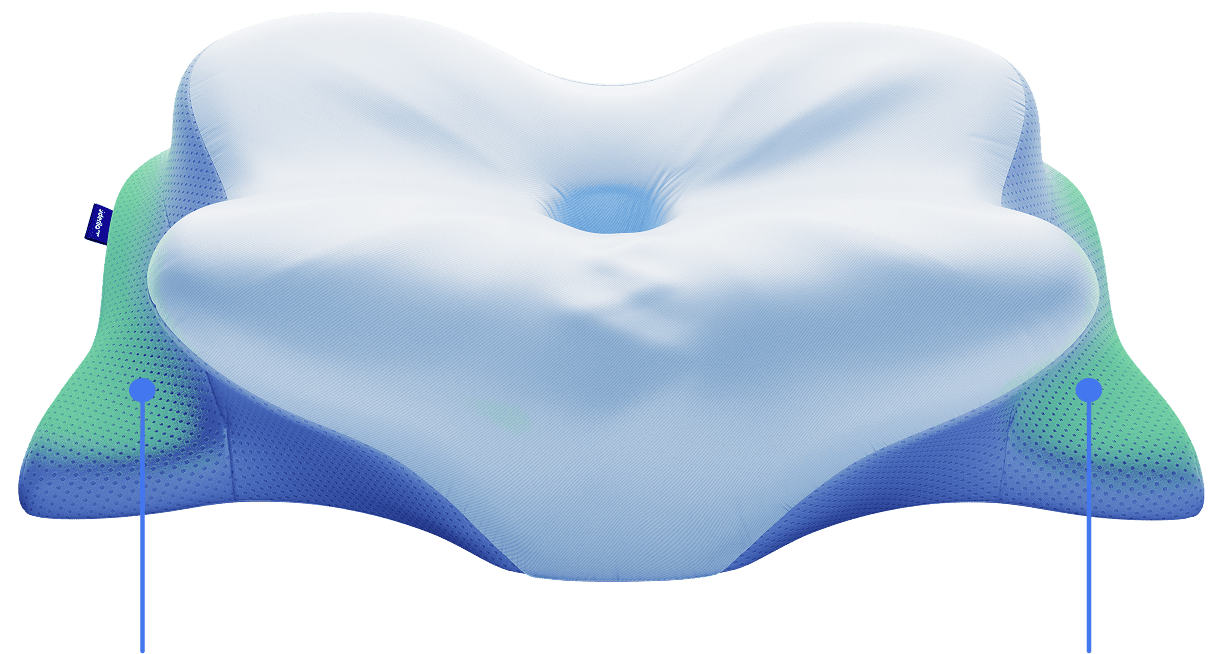
| Product | Derila Ergo Ergonomic Pillow |
|---|---|
| Dimensions | 54cm x 36cm x 12cm |
| Material | Memory foam with cooling gel |
| Sleep Positions | Back, side, stomach, restless |
| Trial Period | 30-day money back guarantee |
| Price | $89 (70% off regular price) |
✓ Pros
- Significant neck pain reduction
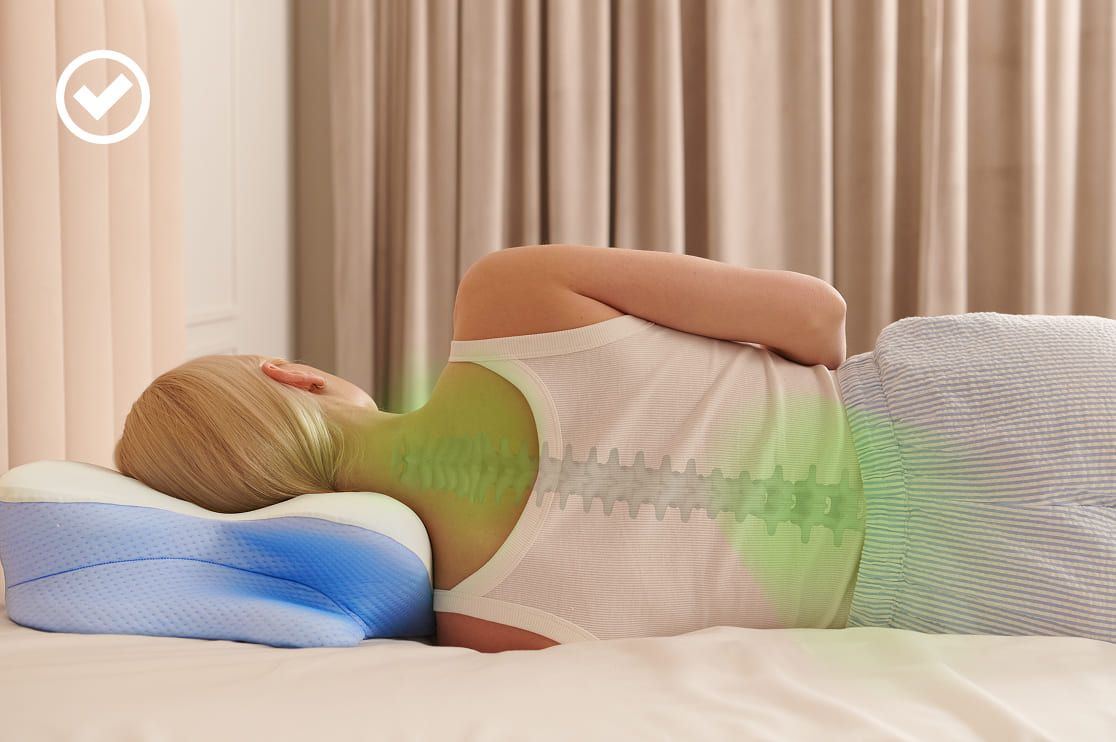
- Proper spinal alignment
- Works for all sleep positions
- Cooling gel stays comfortable
- Hypoallergenic materials
✗ Cons
- 1-week adjustment period
- Bulkier than standard pillows
- Higher price point
Overall Rating: 4.5/5
What Is Derila Ergo?
The Derila Ergo is an orthopedic pillow designed around what they call a "butterfly" shape. Instead of the traditional rectangular block, it features raised support wings on the sides, a contoured center section, and specific zones for different sleeping positions. The whole thing measures 54cm by 36cm, making it noticeably larger than standard pillows.
What caught my attention initially was the claim about spinal alignment. As someone who's tried cervical rolls, contour pillows, and even a $200 latex pillow from a specialty store, I've learned to be cautious about marketing promises. But the design philosophy made sense: different parts of your head and neck need different levels of support depending on how you sleep.
The butterfly design isn't just aesthetic. Those side wings are positioned to support your neck when you sleep on your side, while the center depression accommodates back sleepers. There's even space carved out for your shoulder and arm, which addresses one of my biggest complaints about thick pillows, that shoulder pressure that wakes you up at 3 AM.
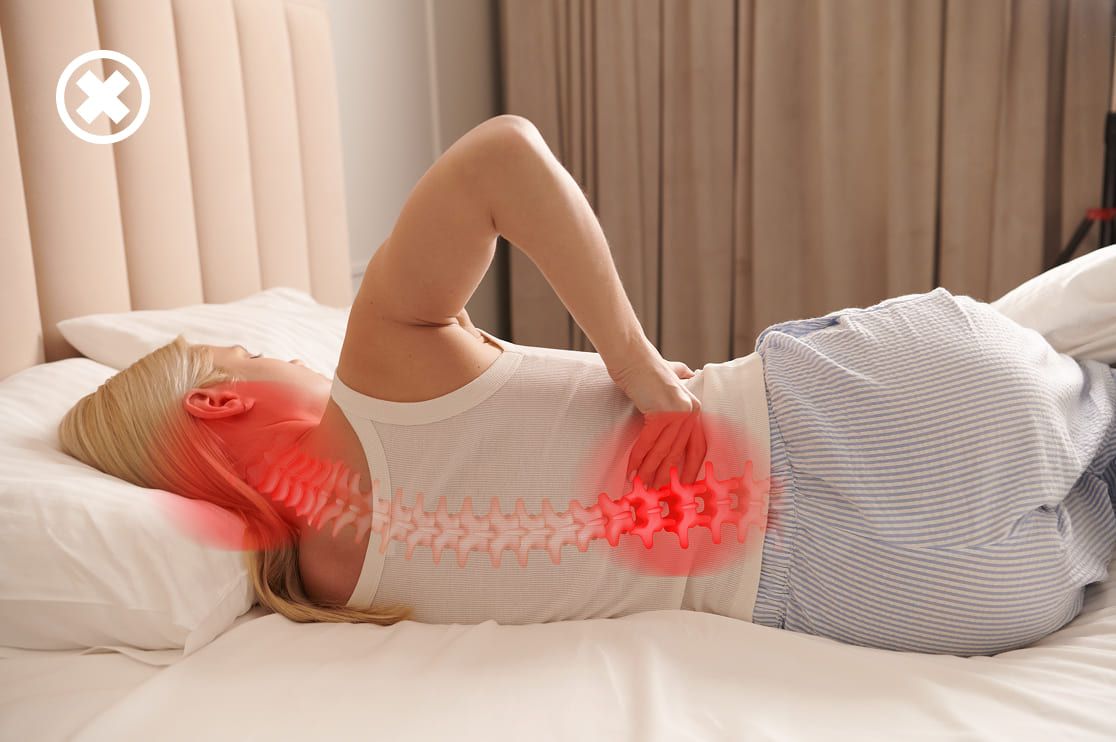
The company positions this as addressing the root cause of morning pain rather than just providing generic comfort. According to their research, traditional pillows allow your spine to curve unnaturally during sleep, creating muscle tension that builds up over 6-8 hours. The Derila Ergo attempts to maintain your natural cervical curve throughout the night.
Materials & How It Works
The Derila Ergo uses a multi-layer construction that's more complex than typical memory foam pillows. The core is high-density viscoelastic foam, which provides the structural support and maintains the butterfly shape even after months of use. This isn't the cheap memory foam that flattens out after a few weeks.
On top of the core foam, there's a cooling gel layer that's supposed to regulate temperature. I'll be honest, the cooling effect isn't dramatic, but it does stay noticeably cooler than my old memory foam pillow. On warm summer nights, I definitely noticed less heat buildup around my head and neck area.
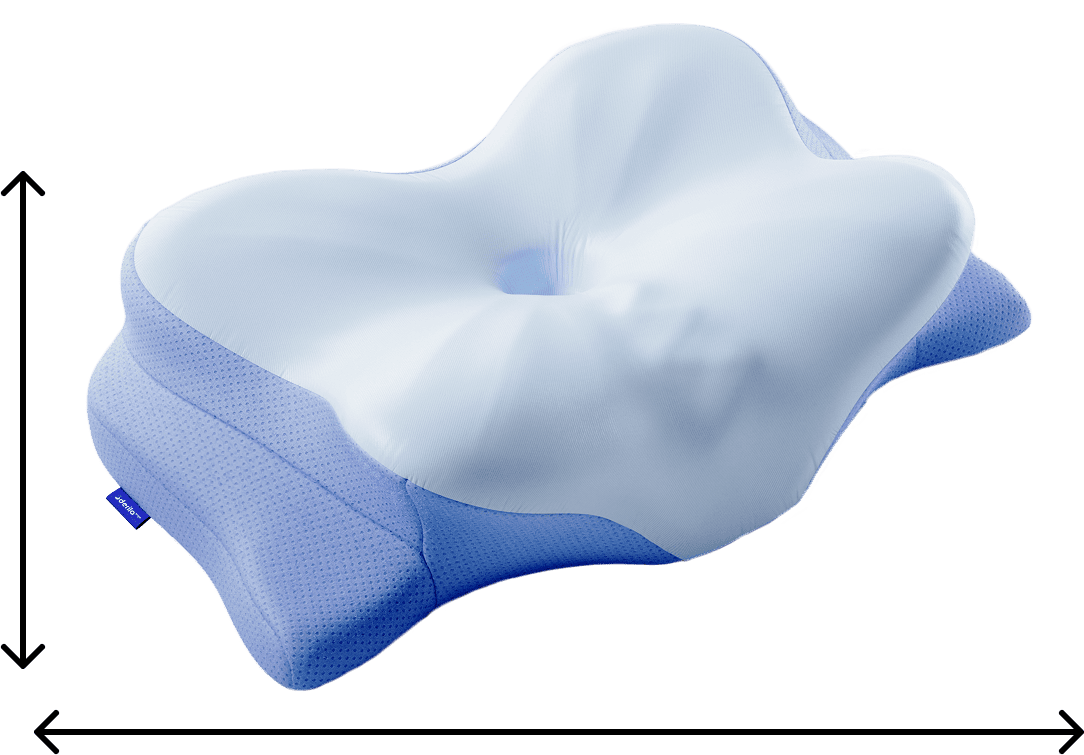
The outer cover is made from hypoallergenic bamboo-derived fabric that's surprisingly soft. It's removable and machine washable, which is essential because pillow covers inevitably need cleaning. The fabric has a slight stretch to it, so it doesn't create pressure points or interfere with the pillow's contouring ability.
Here's how the different zones work in practice. The side support wings are firmer and higher, designed to fill the gap between your shoulder and neck when you're on your side. The center section is softer and lower for back sleeping. There are even small indentations for your ears, which prevents that uncomfortable folded-ear situation side sleepers know all too well.
The shoulder cutout was a revelation. I'm a side sleeper who constantly wakes up with a dead arm, and this design actually gives your shoulder somewhere to go. It's not a huge cavity, but just enough to reduce pressure without compromising the pillow's overall structure. The arm rest area is subtly integrated into the butterfly wings.
What makes this work better than standard contour pillows is the size and proportion of each zone. Many ergonomic pillows get the concept right but mess up the execution with zones that are too small, too high, or positioned incorrectly for real sleep movement. The Derila Ergo seems to account for the fact that you don't stay perfectly still all night.
My Personal Experience
I'll start with the adjustment period because it's significant. The first three nights were rough. After 30 years of sleeping on traditional pillows, my body fought the new positioning. I kept sliding off the side wings and waking up with the pillow completely sideways. My neck actually felt stiffer those first few mornings.
By night four, something clicked. I woke up naturally at 6 AM instead of my alarm at 6:30, feeling more refreshed than usual. My typical morning neck stiffness was noticeably reduced. Not gone, but instead of needing 10 minutes of stretching to feel normal, maybe 2-3 minutes did the trick.
The real test came during week two when I had a particularly stressful work period. Usually, stress manifests as increased muscle tension in my neck and shoulders, leading to headaches and poor sleep quality. But even during those challenging nights, I was waking up without the usual tension headaches that plague me during busy periods.
One unexpected benefit was reduced snoring, according to my partner. I'm not a chronic snorer, but during allergy season or when I'm congested, it becomes an issue. The pillow's design keeps your airways more open by maintaining better head and neck positioning. My partner mentioned this around day 10, and I realized I had been breathing easier at night.
The cooling gel layer proved most valuable during a particularly warm week in July. My bedroom AC struggles to keep up during heat waves, and typically I'd wake up with a sweaty pillow that felt like sleeping on a warm sponge. The Derila Ergo stayed noticeably cooler, though I wouldn't call it dramatically cold. It's more like the difference between a regular towel and a bamboo towel after a shower.
Side sleeping, which I do about 70% of the night, became significantly more comfortable. Those support wings cradle your neck perfectly while the shoulder cutout prevents that pins-and-needles feeling in your arm. The ear indentations are subtle but effective, I stopped waking up with folded ears or that weird pressure feeling.
Back sleeping took more adjustment. The center depression felt strange initially, like my head was sinking too far. But by week three, I realized this was actually maintaining my neck's natural curve instead of forcing it straight like traditional pillows. My chiropractor confirmed this during my regular appointment, noting improved cervical alignment.
For stomach sleeping, which I occasionally do when stressed, the pillow works but isn't ideal. The butterfly design is simply too thick for face-down sleeping to be comfortable. If you're a dedicated stomach sleeper, this probably isn't your best option. But for combination sleepers who occasionally end up on their stomach, it's manageable.
After 30 days, my morning routine changed noticeably. Instead of slowly rolling out of bed while working out neck kinks, I was getting up more easily and feeling more alert. My partner commented that I seemed less grumpy in the mornings, which is probably the best endorsement possible.
Detailed Pros & Cons
The Good Stuff
Pain reduction is the standout benefit. My chronic morning neck stiffness went from a daily occurrence to maybe twice a week, and even then it's much milder. This isn't placebo effect, the improvement was gradual but consistent over the 30-day period. Friends who've dealt with similar issues will understand how significant this is.
Sleep quality improved measurably. I'm falling asleep faster and waking up less frequently during the night. My fitness tracker shows increased deep sleep percentages, though I can't attribute this entirely to the pillow. But the correlation is strong enough that I believe the better spinal alignment is reducing micro-awakenings.
The versatility for different sleeping positions works better than expected. Most ergonomic pillows excel for one position but fail for others. The Derila Ergo handles side and back sleeping equally well, with smooth transitions between positions during the night. You're not fighting the pillow to find comfort.
Build quality feels solid after a month of use. The memory foam hasn't lost its shape, the cover hasn't stretched out or pilled, and the cooling gel layer still functions. My previous memory foam pillow started flattening after about six weeks, so this is encouraging for long-term durability.
The hypoallergenic properties are noticeable if you're sensitive to dust mites or synthetic materials. I typically get stuffy during allergy season, but that hasn't been an issue with this pillow. The bamboo cover seems to resist allergen buildup better than cotton or polyester covers.
The Not-So-Good Stuff
The adjustment period is genuinely challenging. If you're not prepared for 5-7 nights of potentially worse sleep before things improve, you might give up too early. This isn't just getting used to a new pillow, it's retraining your body's sleep positioning habits built up over decades.
Size and bulk make this pillow less portable than standard options. At 54cm wide and with the butterfly profile, it doesn't fit well in standard pillowcases and definitely won't work for travel. If you frequently sleep away from home, you'll be back to your old neck pain issues on those nights.
The price point, even at 70% off, puts it in premium territory. At $89, you're paying roughly 3-4 times what a decent memory foam pillow costs. The question becomes whether the pain relief and sleep improvement justify the investment, which depends on your individual situation and budget.
Temperature regulation, while better than standard memory foam, isn't as dramatic as some marketing suggests. If you're a serious hot sleeper who needs actively cooling sleep products, this might not provide enough relief. It's cooler, but not dramatically so.
Pricing & Where to Buy
The Derila Ergo's regular retail price is listed at $297, though I suspect this is inflated to make the discount look more appealing. The current promotional price of $89 represents what they call a 70% discount, which brings it into reasonable territory for a specialized orthopedic pillow.
Compared to similar ergonomic pillows, $89 sits in the middle range. Basic contour pillows start around $40-50, while premium orthopedic options can reach $150-200. The Tempurpedic neck pillow I tried last year was $129 and didn't work nearly as well for my specific needs.
The company offers a 30-day money-back guarantee, which removes most of the financial risk. Given the adjustment period required, this trial window is essential. You need at least 2-3 weeks to fairly evaluate whether the pillow works for your sleep patterns and pain issues.
Shipping is free within the continental US, with delivery typically taking 5-7 business days. International shipping is available but adds to the cost. The pillow arrives compressed in a box, expanding to full size within a few hours of unpacking.
Payment options include all major credit cards and PayPal. There's no subscription or recurring billing, which is refreshing in today's market where everything seems to come with ongoing fees. You buy it once and you're done.
I'd recommend buying directly from the official website rather than third-party retailers to ensure you get the authentic product and full warranty coverage. Amazon and other platforms sometimes carry knockoff versions that look similar but use inferior materials.
Frequently Asked Questions
Leandro Marcon
Product Reviewer & Consumer Advocate · 5+ Years Testing Products
Leandro has spent over five years personally testing consumer products across dozens of categories. With a background in research and consumer advocacy, he focuses on real-world results, honest assessments, and helping readers make informed purchasing decisions. He has reviewed 200+ products ranging from health devices and home gadgets to wellness supplements and everyday essentials.
Read full bio →Ready to Try Derila Ergo?
If you're dealing with chronic neck pain and poor sleep quality, the 30-day trial makes this a low-risk investment in better rest.
The 70% discount won't last forever, and quality sleep is worth the investment in your health and daily comfort.
Check Price & Availability →